The Best Beaches on the Treasure Coast
Wild Atlantic beaches, nearshore reefs and the wrecks that named the coast.
See top-rated activities »The 1715 Fleet and the Treasure Coast Beaches
In late July 1715, a convoy of Spanish ships left Havana for Spain loaded with silver coins, gold and other goods from the colonies. A few days later, a hurricane caught the fleet off the east coast of Florida and drove most of the ships onto the reefs between Sebastian Inlet and the St. Lucie Inlet area. Many sailors drowned; survivors struggled ashore and set up a camp near Sebastian Inlet, where Spanish salvors worked the wrecks for years afterward.
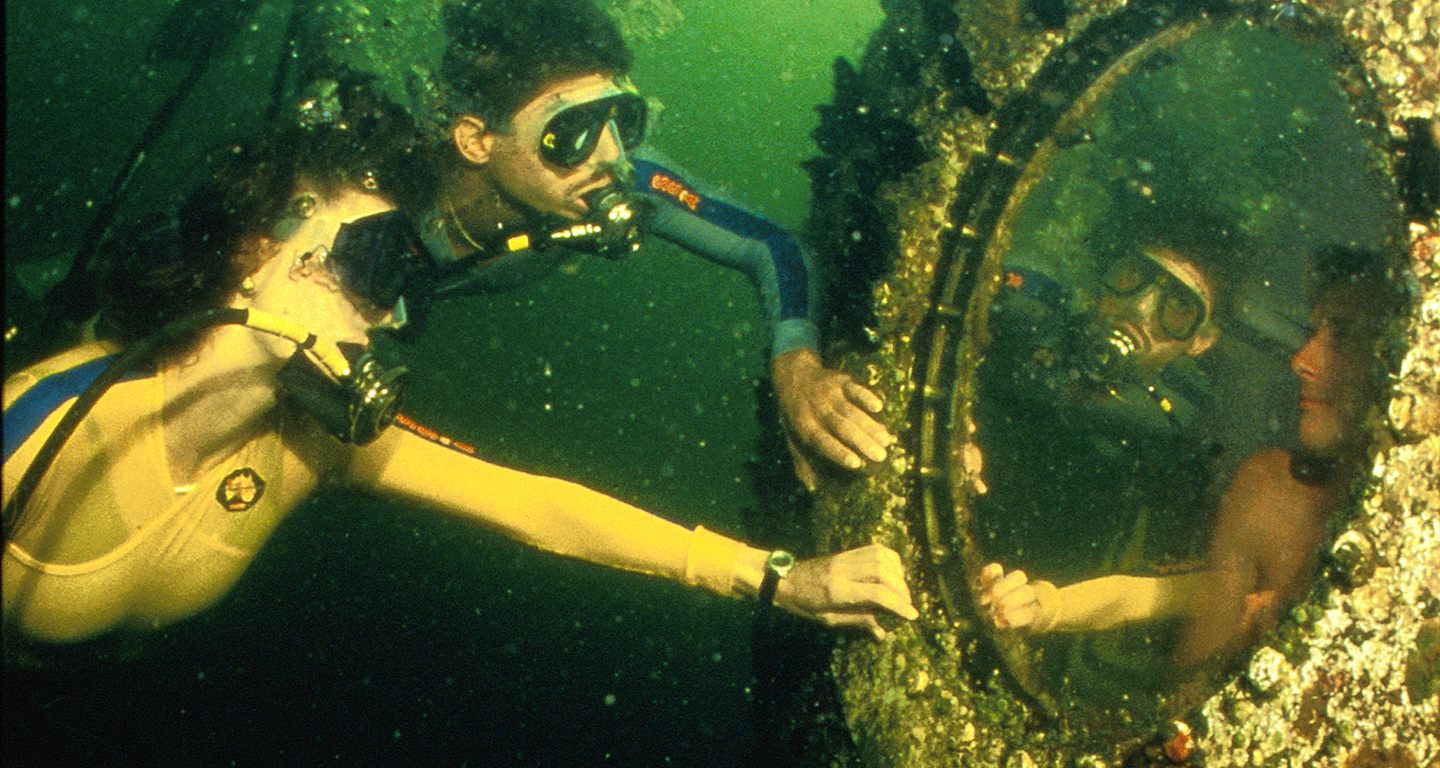
Much of the treasure stayed underwater until the 1960s, when a local builder named Kip Wagner and a team of divers began finding coins after storms and then located wreck sites offshore. Their finds made headlines and, before long, gave the region its new name. Divers still work the sites under state permits, and coins occasionally turn up on the beach after winter storms; a cluster of silver coins found near Wabasso in 2020 was believed to come from the fleet. Searching in the water and removing artifacts from state waters is regulated, so learn the rules before you go looking.
You can visit the fleet in two places. The Urca de Lima, one of the 1715 ships, lies in shallow water a short swim off the beach north of Fort Pierce and became Florida’s first underwater archaeological preserve in 1987. At Sebastian Inlet State Park, the McLarty Treasure Museum stands on the site of the survivors’ camp; it was temporarily closed in summer 2026, so check the park’s page before you go.
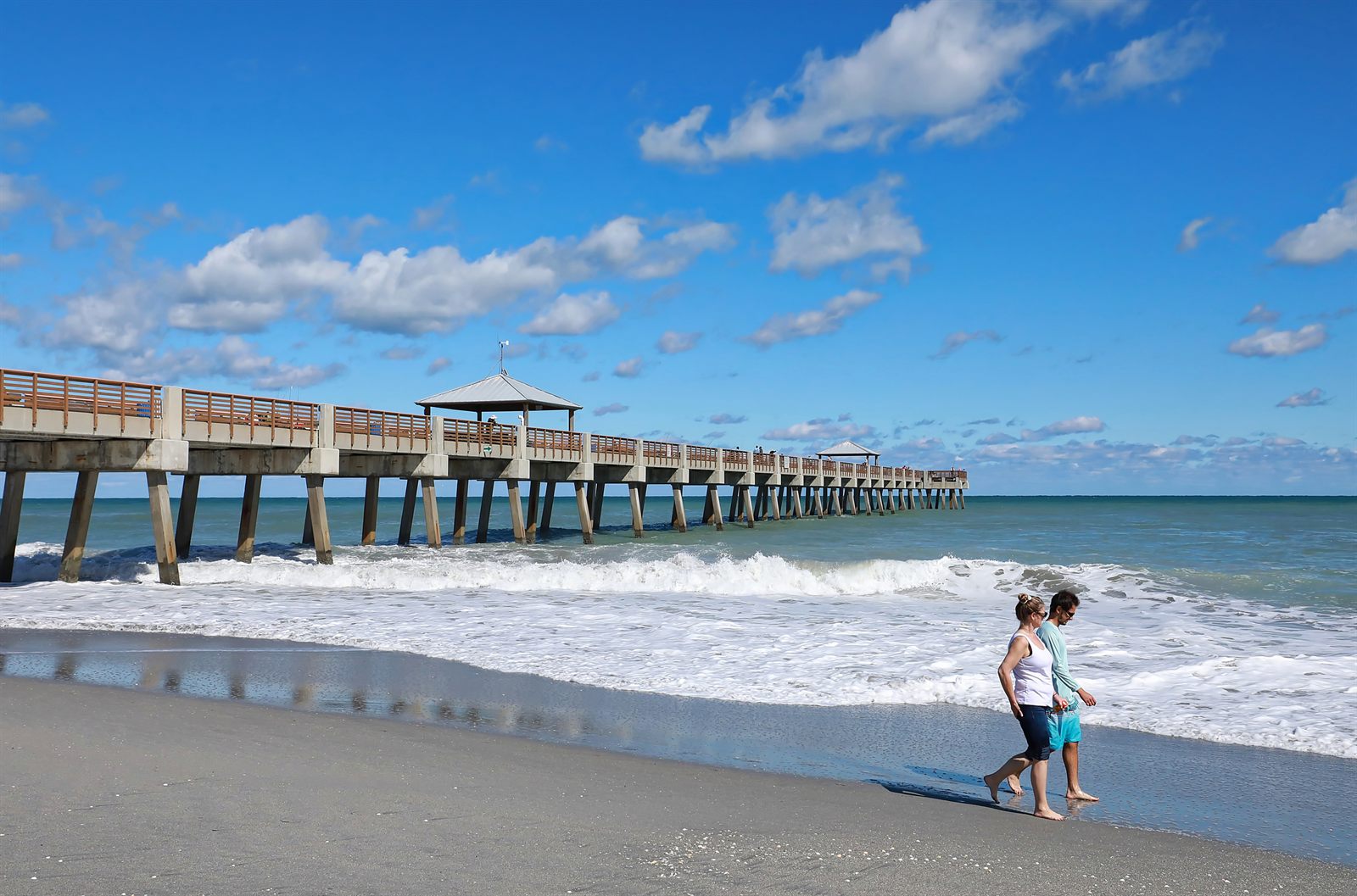
As for the best beaches on the Treasure Coast, the region’s strength is variety. Martin County’s Hutchinson Island beaches are quiet and reef-fringed; St. Lucie County has long undeveloped stretches in state and county parks; Indian River County adds shelling beaches and the surf breaks near Sebastian Inlet. Lifeguards are posted only at some beaches and in some seasons, and rip currents are common, so swim near a guard when you can.
Don’t Miss
Florida’s first underwater archaeological preserve, a 1715 wreck in 10 to 15 feet of water about 200 yards off the beach.
A small museum on the site of the 1715 survivors’ camp; temporarily closed as of summer 2026.
An undeveloped beach with dunes and boardwalk crossovers, close to the Urca de Lima site.
An oceanfront park with parking and facilities, the usual starting point for snorkeling out to the Urca de Lima.
A natural, lightly developed beach on St. Lucie County’s stretch of the island.
Two quiet Martin County beach parks between the busier public beaches, good for a walk without crowds.
A small beach where a reef close to shore offers snorkeling on calm days.
County beach parks on the north barrier island, known for shelling and quiet sand near the 1715 wreck sites.
Top-Rated Tours, Tickets & Activities in the Beaches
Bookable tours for the Beaches are limited right now — ask a travel specialist to arrange activities for your dates.
Plan your time in the Beaches
Tell us when you are coming and what you enjoy. A travel specialist will put together hotel, activity and travel options for you — free, with no obligation.
Get free trip quotes »the Beaches — FAQ
Can I keep a coin I find on a Treasure Coast beach?
Rules differ between the dry beach and state waters, and salvage leases cover some wreck areas. Check current Florida law and avoid digging in the water or near wreck sites without a permit.
Which of the best beaches on the Treasure Coast are good for snorkeling?
Chastain Beach on Hutchinson Island and the water off Pepper Park, where the Urca de Lima lies, are both good on calm summer days. Visibility is best when the sea is flat.
More of the Treasure Coast